Used Construction Equipment Buying Guide: How to Choose the Right Machine for Your Project
Release time: 2026-08-26
Table of Contents
Introduction
Choosing construction equipment is not simply about finding a machine at a good price. The right equipment should match the working conditions, project requirements, and expected workload. For contractors, selecting unsuitable machinery can lead to higher operating costs, lower productivity, and unnecessary maintenance.
This is why Used Construction Equipment has become a practical option for many contractors and equipment buyers. Instead of focusing only on machine age or price, buyers can evaluate the type of work they need to complete and then select suitable Used Machinery according to the project.
Start with the Type of Work
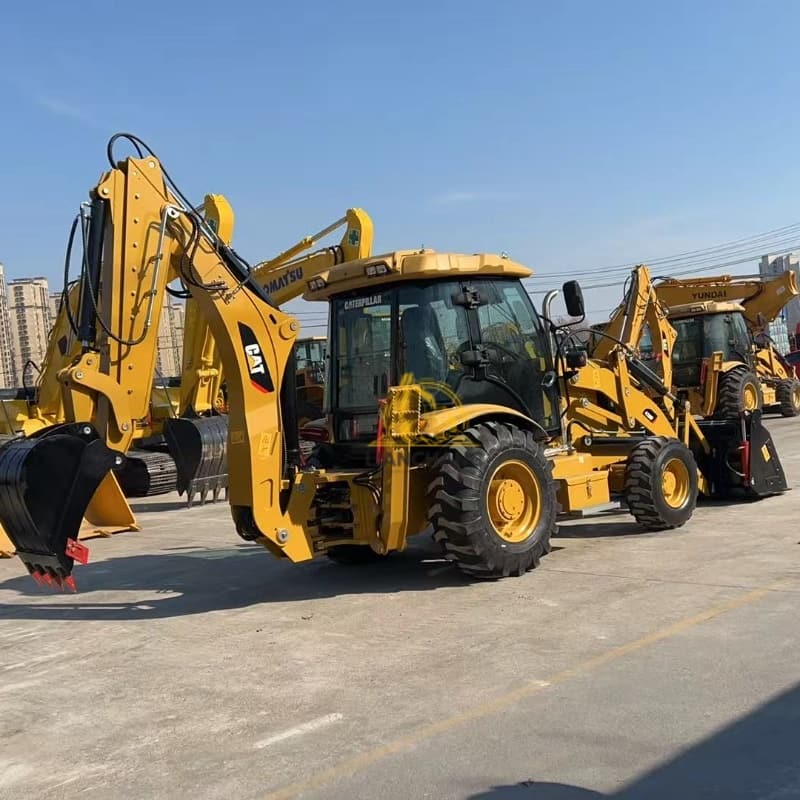
Different construction tasks require different machine functions. An excavator is designed mainly for digging and material removal, while a loader is better suited to loading and material handling. Bulldozers are commonly used for pushing and spreading soil, and rollers are important when road surfaces or other materials need compaction.
Matching the machine to the main task helps avoid paying for equipment that is too large, too specialized, or unsuitable for the job.
| Project Type | Recommended Equipment | Main Application |
| Excavation | Excavator | Digging, trenching and earth removal |
| Material Handling | Loader | Loading, carrying and moving materials |
| Land Preparation | Bulldozer | Pushing, grading and site preparation |
| Road Construction | Roller | Soil and road surface compaction |
Excavation Projects: Consider a Used Excavator
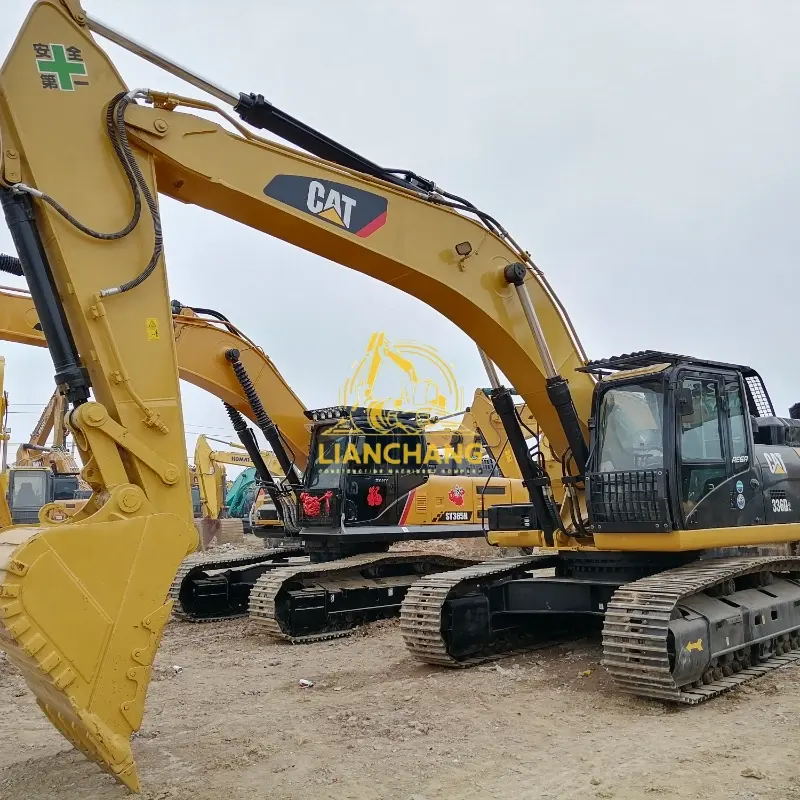
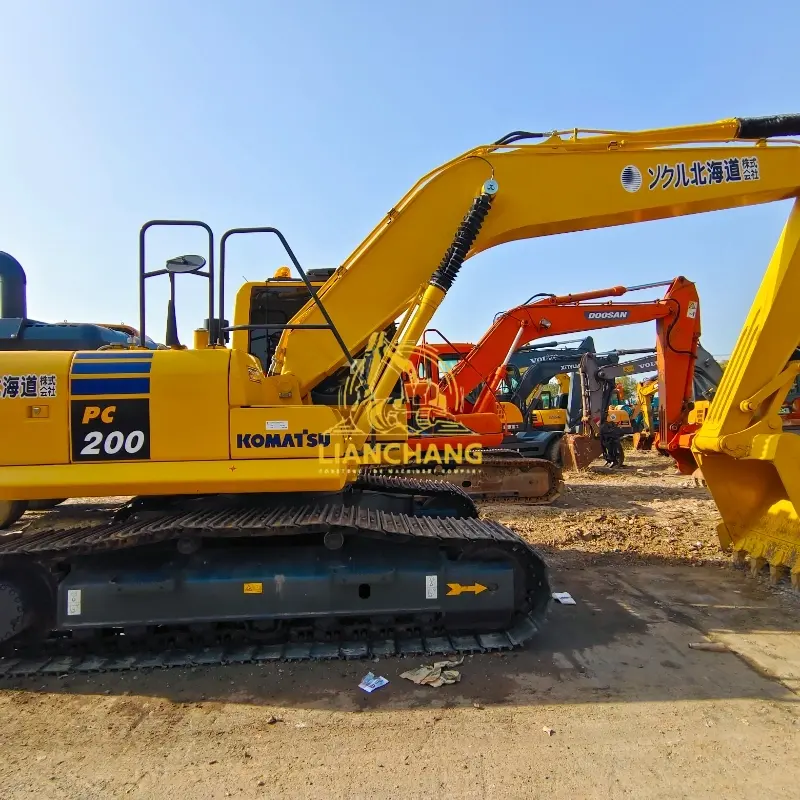
For foundation work, trenching, land excavation, and general earthmoving, an excavator is usually one of the most practical choices. Its hydraulic working system allows it to perform digging and material-handling tasks across different job sites.
When purchasing a used excavator, buyers should look beyond the appearance of the machine. Engine performance, hydraulic components, boom and arm condition, undercarriage wear, and operating hours can all affect future performance.
For smaller projects, a compact excavator may provide better maneuverability, while larger earthmoving operations may require a heavier model with greater digging capacity.
Material Handling: When a Used Loader Makes Sense
Wheel loaders are commonly used when a project involves frequent movement of sand, soil, gravel, aggregates, or other materials. Their bucket configuration allows them to load materials quickly and move them around the worksite.
A Used Construction Equipment buyer should consider bucket capacity, lifting performance, tire condition, transmission, hydraulic system, and engine condition when evaluating a used loader.
For contractors working on aggregate yards, construction sites, road projects, or material-handling operations, a properly inspected used loader can offer useful working capability without the investment required for new equipment.
Land Preparation: Choosing a Used Bulldozer
Bulldozers are particularly useful during the early stages of many earthmoving projects. They can push soil, clear working areas, level rough ground, and assist with general site preparation.
The working environment should determine the required bulldozer size. A large crawler dozer may be suitable for demanding earthmoving operations, while smaller projects may not require such high capacity.
When checking Used Machinery, buyers should pay particular attention to the blade, undercarriage, track components, transmission, final drives, and engine condition of a used bulldozer.
Road Construction: Why a Used Roller Matters
Road construction requires more than moving and spreading material. Proper compaction is essential for creating a stable surface, which makes rollers an important part of many roadwork projects.
Different rollers are designed for different compaction requirements. Buyers should therefore consider the material being compacted, project size, required working width, and operating conditions before choosing a machine.
For contractors with budget limitations, a well-maintained used roller can be an economical addition to a road construction equipment fleet.
How Should You Evaluate Used Construction Equipment?
Once the equipment type has been identified, the next step is evaluating the machine itself. Price should not be the only consideration. Two machines of the same model can have very different conditions depending on their previous working environment, maintenance history, and operating hours.
A practical inspection should cover the major mechanical and hydraulic components. Buyers should also check whether the machine can be started and operated normally, whether there are signs of excessive leakage or abnormal noise, and whether important components show significant wear.
For international buyers, supplier inspection is particularly important because the buyer may not be able to examine the machine personally before shipment.
Buying Used Machinery from an Experienced Supplier
The condition of used equipment is closely related to how it has been inspected and prepared before sale. Anhui Lianchang Construction Machinery Co., Ltd. has more than ten years of experience in construction machinery import and export. Its equipment range includes used excavators, loaders, bulldozers, rollers, graders, and other machinery.
Lianchang works with brands including Caterpillar, Komatsu, Hitachi, Kobelco, Volvo, Doosan, Hyundai, and Sany. The company also states that its machines are inspected before shipment by experienced maintenance workers, helping international buyers understand the machine’s working condition before purchase.
For contractors comparing different types of Used Construction Equipment, selecting a supplier with inspection experience can make the purchasing process more reliable.
FAQ
What is the most important factor when buying used construction equipment?
The machine’s actual working condition is one of the most important factors. Buyers should evaluate the engine, hydraulic system, transmission, undercarriage, working components, and maintenance history.
Is used construction equipment suitable for contractors?
Yes. Properly inspected used equipment can be a practical option for contractors who want to control initial equipment investment while obtaining the machinery needed for their projects.
Which machine is best for excavation?
An excavator is generally the most suitable choice for digging, trenching, foundation excavation, and similar earthmoving tasks.
How do I choose between a loader and a bulldozer?
Consider the main task. A loader is better suited to loading and transporting loose materials, while a bulldozer is more suitable for pushing soil, clearing land, and site preparation.