Mini vs. Grandes Escavadeiras Usadas: Como Escolher o Tamanho Certo para Projetos de Infraestrutura
Data de lançamento: 05/06/2026
No mundo dinâmico do desenvolvimento de infraestrutura, selecionar as máquinas pesadas certas pode ser a diferença entre um projeto bem-sucedido e um que gera prejuízos. Ao adquirir equipamentos no mercado de segunda mão, uma das decisões mais críticas que gestores de frotas e empreiteiros enfrentam é o dimensionamento.
Vale a pena investir na agilidade compacta de um mini escavadeira usada (como as da Kubota ou da Sunward) ou a força bruta de uma escavadeira de esteiras grande usada (como uma Caterpillar ou Komatsu de 30 toneladas)?
A resposta raramente é simples. Em 2026, os projetos de infraestrutura estão se tornando mais complexos, muitas vezes exigindo uma combinação de precisão cirúrgica e movimentação de terra em grande volume. Escolher o tamanho errado pode levar ao desperdício de combustível, pesadelos logísticos ou à incapacidade de concluir o trabalho no prazo.
Aqui está um guia completo para ajudá-lo a escolher o tamanho certo de escavadeira usada para suas aplicações específicas de infraestrutura.
Definindo as categorias: Mini escavadeiras vs. Escavadeiras de grande porte
Antes de comparar as aplicações, vamos definir claramente as categorias de peso no mercado de usados atual:
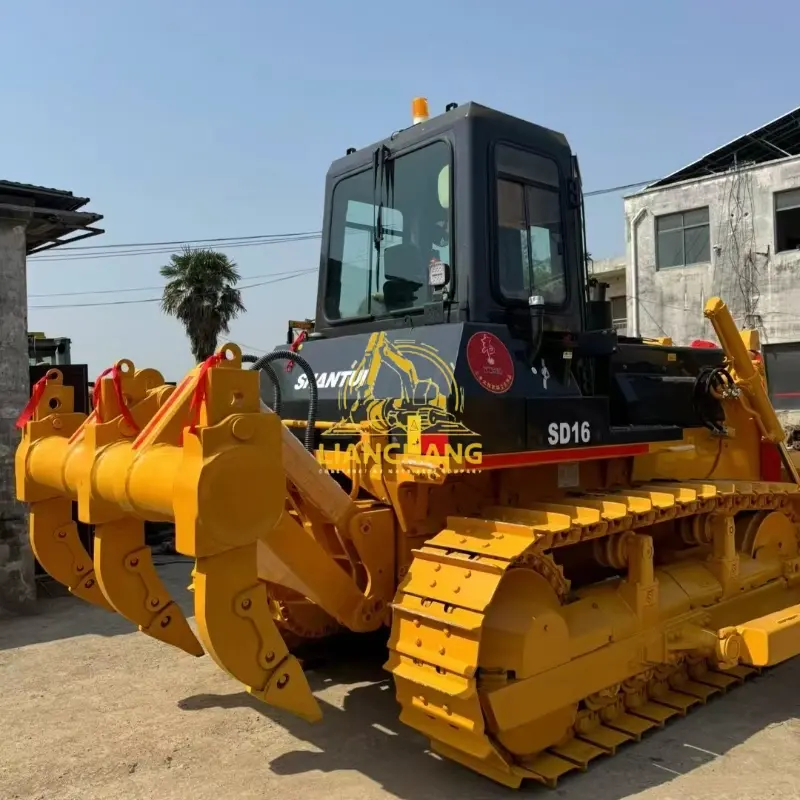
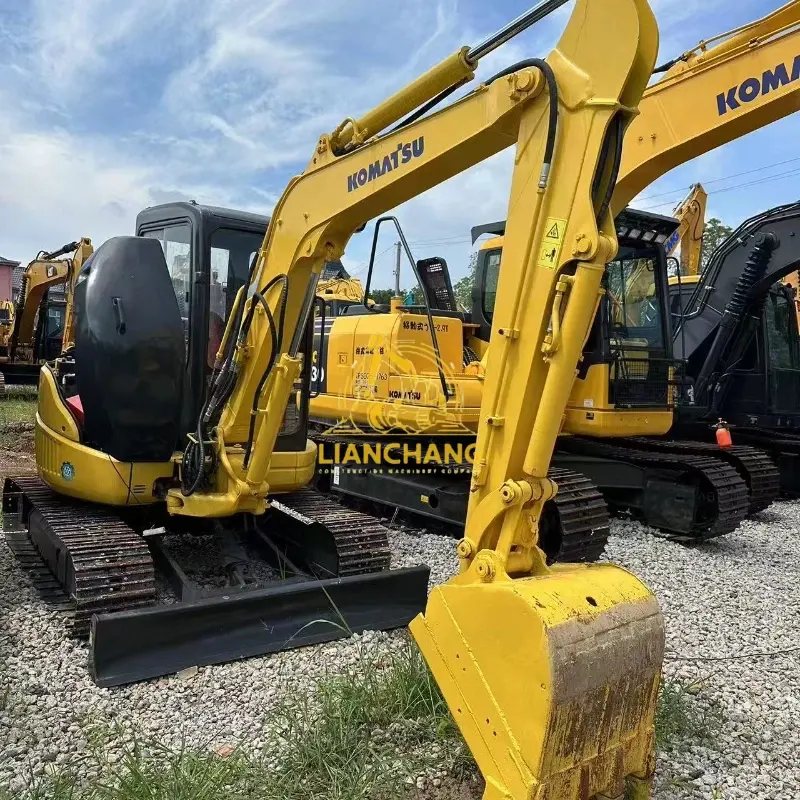
- Mini/Escavadeiras Compactas (1 a 10 toneladas): Essas máquinas são definidas por seu tamanho compacto, baixa pressão sobre o solo e, frequentemente, design com giro de cauda zero. As principais marcas no mercado de usados incluem: Kubota, Yanmar, Lincee, cada vez mais, fabricantes chineses como Em direção ao sol e Sany, que oferecem um valor excepcional.
- Escavadeiras de esteira de grande porte (25 a 50+ toneladas): Essas são as máquinas mais robustas do canteiro de obras. Projetadas para máxima força de desagregação, escavação de valas profundas e movimentação de materiais em grande escala. As principais marcas dessa categoria incluem: Lagarta, Komatsu, Hitachi, e XCMG.
Quando escolher uma mini escavadeira usada
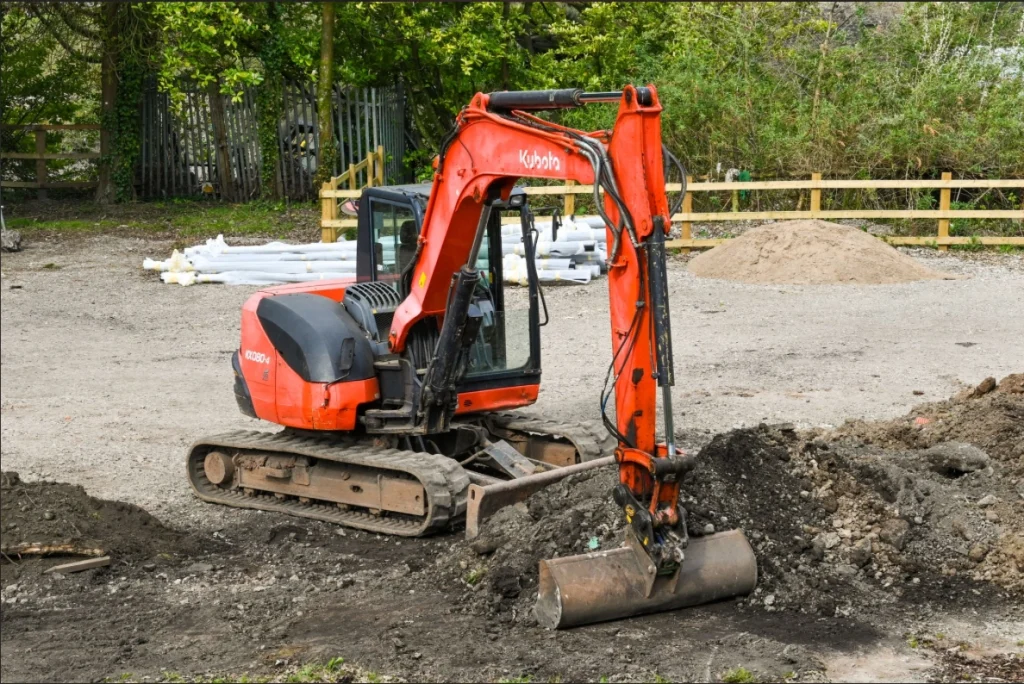
As miniescavadeiras tiveram um aumento enorme em popularidade nos últimos cinco anos. Com o aumento da urbanização, o espaço nos canteiros de obras é frequentemente um recurso escasso.
Aplicações ideais:
- Infraestrutura urbana e reparos de estradas: Ao trabalhar em ruas da cidade, você precisa de uma máquina que possa operar em uma única faixa de tráfego sem que seu contrapeso invada a pista contrária. Uma miniescavadeira com giro de cauda zero é essencial nesse caso.
- Abertura de valas para infraestrutura: Para a instalação de cabos de fibra óptica, tubulações de água ou redes de esgoto residenciais, uma máquina de 3 a 5 toneladas (como uma Kubota U35 ou Sunward SWE35 usada) oferece o equilíbrio perfeito entre profundidade de escavação e precisão.
- Paisagismo e trabalhos residenciais: Seu peso mais leve significa que não danificarão o pavimento, as calçadas ou os gramados existentes, reduzindo os custos de reparo após a conclusão do projeto.
A vantagem financeira: Mini escavadeiras usadas São significativamente mais baratos de transportar. Não precisam de um reboque plataforma rebaixada para cargas pesadas nem de autorizações especiais para cargas largas; muitos podem ser rebocados por uma caminhonete comercial padrão. Além disso, consomem uma fração do combustível diesel em comparação com seus equivalentes maiores.
Quando escolher uma escavadeira grande usada
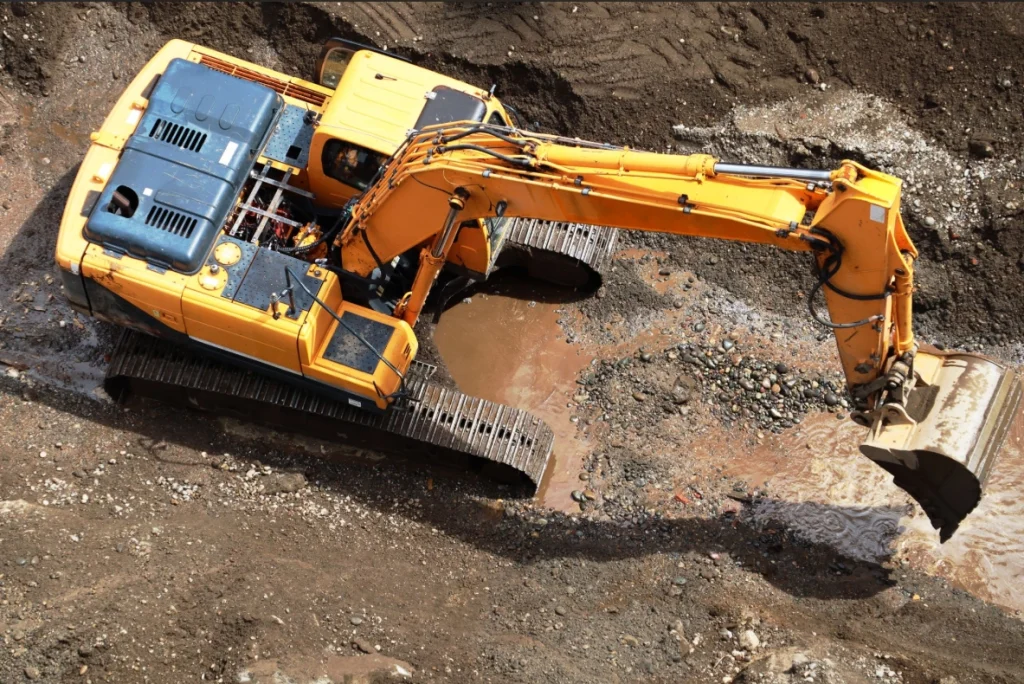
Se você estiver lidando com terrenos brutos e não urbanizados ou com grandes projetos de engenharia civil, uma miniescavadeira simplesmente levará muito tempo para concluir o trabalho. É aí que você precisa de uma máquina pesada.
Aplicações ideais:
- Construção de rodovias e movimentação de terra em grande escala: Ao abrir uma nova estrada em uma encosta ou ao carregar caminhões basculantes articulados, uma máquina de 30 a 40 toneladas (como uma CAT 336 usado ou uma Komatsu PC360) é necessária para movimentar milhares de metros cúbicos de terra de forma eficiente.
- Redes subterrâneas profundas de esgoto e água: A infraestrutura municipal muitas vezes exige a escavação de valas com mais de 4,5 metros de profundidade e o içamento de tubos de concreto ou caixas de vala extremamente pesadas. Uma escavadeira de grande porte proporciona a profundidade de escavação e a capacidade de içamento necessárias.
- Extração de pedras e demolição pesada: Quebrar rochas ou demolir estruturas de concreto armado exige imensa potência hidráulica e peso estrutural para se manterem estáveis.
A vantagem financeira: Embora o preço de compra inicial, o consumo de combustível e os custos de transporte sejam elevados, uma escavadeira usada de grande porte oferece produtividade incomparável. Em termos de volume (custo por metro cúbico movimentado), uma máquina grande é muito mais eficiente para obras de infraestrutura pesada.
Principais considerações para sua decisão
Ao decidir entre uma mini escavadeira e uma escavadeira grande usada, faça a si mesmo as seguintes perguntas:
| Critérios de avaliação | Mini escavadeira usada | Escavadeira grande usada |
|---|---|---|
| Acesso e espaço no local | Excelente (ideal para espaços urbanos compactos) | Ruim (requer espaço amplo e aberto) |
| Logística de Transporte | Simples (pode ser rebocado em um reboque padrão) | Complexo (requer plataforma rebaixada e licenças) |
| Capacidade de elevação | Baixo (adequado apenas para materiais leves) | Alta capacidade (capaz de levantar tubos pesados e caixas de vala) |
| Profundidade de escavação | Rasos a moderados (até aproximadamente 12 pés) | Profundo (mais de 6 metros, dependendo do braço) |
| Perturbação do solo | Mínimo (esteiras de borracha disponíveis) | Alto (os trilhos de aço danificam o pavimento) |
A opção intermediária: a escavadeira média (de 11 a 24 toneladas)
Se seus projetos frequentemente variam entre reparos urbanos complexos e movimentação de terra moderada, talvez você não precise optar pelos extremos. A classe de 20 toneladas (por exemplo, CAT 320, Sany SY215) é a mais popular globalmente. Essas escavadeiras médias oferecem um equilíbrio versátil: são potentes o suficiente para carregar caminhões basculantes padrão com eficiência, mas são mais fáceis de transportar do que um gigante de 40 toneladas.
Dicas de fornecimento: Comprando usados da China
Seja para uma frota de miniescavadeiras Sunward ágeis ou uma enorme escavadeira de esteiras Komatsu, o robusto mercado de máquinas usadas da China oferece um excelente custo-benefício. Como fornecedor global, recomendamos:
- Verificar tipos de esteira para Minis: Certifique-se de que a miniescavadeira usada tenha esteiras de borracha se você planeja trabalhar em superfícies urbanas pavimentadas.
- Verifique o rolamento oscilante: Tanto em máquinas pequenas quanto grandes, o rolamento de giro (que permite a rotação da cabine) é crucial. Folgas excessivas nesse rolamento são caras para consertar.
- Combine a máquina com os acessórios: Certifique-se de que o fluxo hidráulico da máquina seja suficiente para operar os acessórios necessários, como britadores ou perfuratrizes hidráulicas.
Escolher a escavadeira usada do tamanho certo significa adequar as capacidades da máquina às necessidades mais frequentes dos seus projetos. Ao analisar as restrições do seu canteiro de obras, as possibilidades de transporte e as metas de produção, você pode investir no equipamento ideal para impulsionar sua lucratividade em 2026.
Precisa de aconselhamento especializado para dimensionar sua frota? Encontrar as máquinas certas não precisa ser um jogo de adivinhação. Minha equipe é especializada em exportação de escavadeiras usadas premium—De ágeis Kubotas a gigantescas Caterpillars—diretamente da China. Oferecemos inspeções mecânicas completas, consultoria transparente e envio internacional. Entre em contato hoje mesmo com as especificações do seu projeto e encontraremos a máquina perfeita para você!