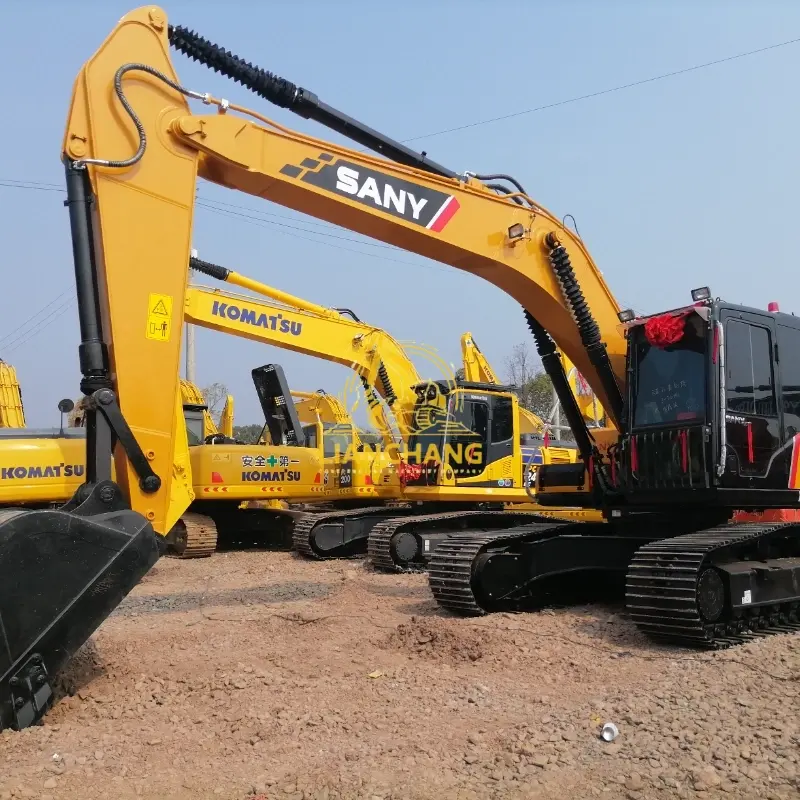
حفارات كاتربيلر المستعملة مقابل حفارات كوماتسو: أيهما يحتفظ بقيمة أفضل في عام 2026؟
تاريخ الإصدار: 2026-05-07
في قطاع الإنشاءات والحفريات العالمي، يُولي مديرو الأساطيل ومشتري المعدات الثقيلة اهتمامًا بالغًا لمؤشرٍ حاسم: العائد على الاستثمار. ومع تطلعاتنا للوضع الاقتصادي في عام 2026، بات شراء الآلات المستعملة الخيار الأمثل للحفاظ على الربحية دون المساس بالأداء. أما فيما يخص الحفارات المستعملة، فتُهيمن شركتان عملاقتان على السوق الثانوية العالمية: كاتربيلر (CAT) وكوماتسو.
لكن يبقى سؤال بالغ الأهمية: بين حفارة كاتربيلر مستعملة وحفارة كوماتسو مستعملة، أي علامة تجارية تحتفظ بقيمة أفضل؟
لا تقتصر القيمة على سعر الشراء فحسب، بل تشمل الاستهلاك، واستهلاك الوقود، وتوافر قطع الغيار، وسعر إعادة البيع النهائي. في هذا الدليل الشامل لعام 2026، سنشرح بالتفصيل التكلفة الحقيقية للملكية والقيمة المتبقية لكلا العلامتين التجاريتين لمساعدتك على اتخاذ قرار شراء مدروس.
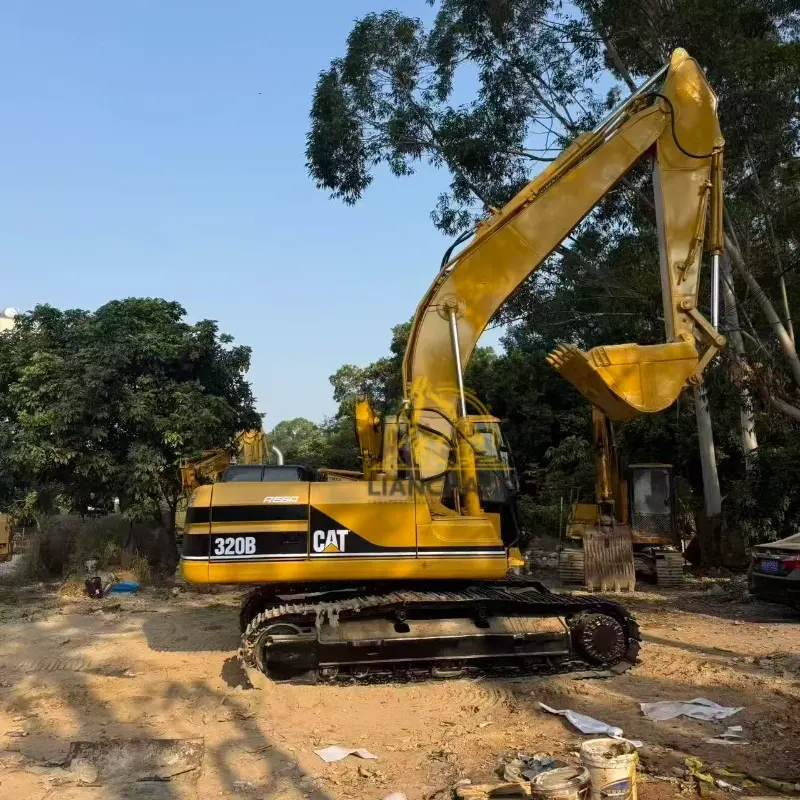

مشهد سوق المعدات المستعملة لعام 2026
قبل الخوض في مقارنة العلامات التجارية، من الضروري فهم الوضع الراهن لسوق الآلات المستعملة. ففي عام 2026، تشهد مشاريع البنية التحتية العالمية ازدهاراً ملحوظاً، إلا أن المقاولين يواجهون ميزانيات محدودة وأسعار وقود متقلبة. وقد أدى ذلك إلى ارتفاع هائل في الطلب على المعدات الثقيلة المستعملة عالية الجودة.
تُعتبر كل من شركتي كاتربيلر وكوماتسو أصولاً ذات سيولة عالية. فعلى عكس العلامات التجارية المتخصصة، يُمكن شراء معدات كاتربيلر أو كوماتسو وصيانتها وإعادة بيعها بسهولة في أي بلد تقريباً، بدءاً من مواقع التعدين في أفريقيا وصولاً إلى مناطق الإنشاءات الحضرية في جنوب شرق آسيا وأمريكا الجنوبية. ومع ذلك، تختلف نماذجها المالية اختلافاً كبيراً على مدار دورة حياة تتراوح بين 5 و10 سنوات.
حفارات كاتربيلر المستعملة: ملكة القيمة المتبقية
تُعتبر شركة كاتربيلر على نطاق واسع المعيار الذهبي في مجال الآلات الثقيلة. وإذا كانت هناك كلمة واحدة تصف حفارة كاتربيلر المستعملة، فهي غالي.
- قيمة إعادة بيع لا مثيل لها: بحسب بيانات تقييم معدات الصناعة، تتميز حفارات كاتربيلر باستمرار بأعلى قيمة متبقية بعد خمس سنوات في هذا القطاع. إذ يمكن لطرازات مثل CAT 320 وCAT 336 الاحتفاظ بقيمة أعلى تتراوح بين 101 و151 طنًا مقارنةً بالمنافسين الذين لديهم ساعات تشغيل مماثلة.
- شبكة عالمية للموزعين وقطع الغيار: السبب الرئيسي وراء احتفاظ آلات كاتربيلر بقيمتها هو سهولة الحصول على قطع الغيار. حتى آلة كاتربيلر 320D التي يبلغ عمرها عشر سنوات يمكن إصلاحها بسهولة في المناطق النائية. هذه السهولة في الإصلاح تُزيل المخاطر عن المشتري التالي، مما يُبقي سعرها في السوق الثانوية مرتفعًا بشكل مصطنع.
- المتانة في البيئات القاسية: تتميز حفارات كاتربيلر بهياكل سفلية شديدة التحمل وتصاميم هيكلية متينة مصممة لتطبيقات التعدين والمحاجر الشاقة. وهي مصممة لإعادة البناء بدلاً من الاستبدال.
- شرط "CAT Premium": ستدفع مبلغًا أكبر مقدمًا. في سوق المعدات المستعملة، ستكلفك حفارة كاتربيلر عادةً ما بين 101 و201 طنًا إضافيًا مقارنةً بحفارة كوماتسو مماثلة من نفس السنة وعدد ساعات التشغيل.
حفارات كوماتسو المستعملة: بطلة الكفاءة التشغيلية
تتبنى شركة كوماتسو، عملاق التصنيع الياباني، نهجاً مختلفاً لكنه لا يقل فعالية في تحقيق القيمة. فبينما تركز شركة كاتربيلر على القوة الغاشمة وإمكانية إعادة البيع، تصمم كوماتسو آلاتها لتحقيق أقصى قدر من الربحية اليومية.
- استثمار أولي أقل: عند البحث عن حفارة كوماتسو مستعملة (مثل طرازي PC210-8 أو PC360-7 الشهيرين)، سيلاحظ المشترون فورًا سعرًا مناسبًا. هذا الاستثمار الأولي المنخفض يعني نقطة استرداد أسرع لمشروعك.
- كفاءة فائقة في استهلاك الوقود: هنا يبرز تألق كوماتسو الحقيقي في عام 2026. فبفضل أنظمتها الهيدروليكية المتطورة ومحركاتها عالية الكفاءة، تشتهر آلات كوماتسو بكفاءتها العالية في استهلاك الوقود. بالنسبة للمقاولين الذين يشغلون الآلات لأكثر من 2000 ساعة سنويًا، فإن التوفير في وقود الديزل وحده كفيل بتعويض أي فروقات في قيمة إعادة البيع على المدى الطويل.
- التكنولوجيا المتقدمة (iMC): كانت شركة كوماتسو رائدة في مجال التحكم الآلي الذكي (iMC). حتى في سوق الآلات المستعملة، يمكنك العثور على طرازات كوماتسو التي يتراوح عمرها بين 5 و8 سنوات والتي تتمتع بقدرات ممتازة في التسوية شبه الآلية، مما يحسن بشكل كبير من كفاءة المشغل ويقلل من هدر المواد.
- صيانة فعالة من حيث التكلفة: في حين أن قطع غيار CAT الأصلية تحمل سعرًا مرتفعًا، فإن قطع غيار Komatsu (والبدائل عالية الجودة لما بعد البيع، وخاصة تلك التي يتم الحصول عليها من آسيا) غالبًا ما تكون بأسعار معقولة أكثر، مما يقلل من فواتير الصيانة الروتينية الخاصة بك.
مقارنة مباشرة: كاتربيلر ضد كوماتسو في عام 2026
لمساعدتك على تصور الاختلافات، إليك ملخص سريع لكيفية مقارنة هاتين العلامتين التجاريتين في سوق المنتجات المستعملة الحالي:
| الميزة/المقياس | كاتربيلر مستعملة (CAT) حفارة | كوماتسو مستعملة حفارة |
| سعر الشراء الأولي | سعر مرتفع (سعر مميز) | متوسط (10-15% أقل من المعدل الطبيعي) |
| القيمة المتبقية لمدة 5 سنوات | ممتاز (أبطأ معدل انخفاض في القيمة) | جيد جداً (مستقر، لكنه أقل من CAT) |
| كفاءة الوقود | متوسط إلى جيد | استثنائي (رائد في الصناعة) |
| تكلفة الصيانة | قطع غيار أصلية باهظة الثمن | متوسط (قطع غيار اقتصادية) |
| أفضل الموديلات المستعملة | CAT 320D، 320GC، 336D | PC200-8، PC210LC، PC360-7 |
| نوع المشروع المثالي | التعدين الثقيل، والبنية التحتية النائية | الإنشاءات الحضرية، وأعمال الطرق، والميزانيات المحدودة |
التكلفة الإجمالية للملكية (TCO): أيهما الاستثمار الأفضل؟
"القيمة" تعني أشياء مختلفة حسب نموذج عملك.
متى تشتري منتجات كاتربيلر؟ إذا كان نموذج عملك يعتمد على تغيير أسطولك كل 3 إلى 4 سنوات، فإن CAT هي الخيار الأمثل من الناحية المالية. فالتكلفة الأولية المرتفعة تُعوَّض بقدرة الآلة المذهلة على الاحتفاظ بقيمتها. فعندما يحين وقت البيع، ستجد مشترين متحمسين على الفور. إنها أصلٌ يُخزِّن القيمة.
متى تشتري منتجات كوماتسو؟ إذا كنت مستخدمًا نهائيًا تخطط لاستخدام الآلة حتى آخر رمق خلال السنوات العشر القادمة، فإن كوماتسو تقدم قيمة أفضل. فسعر الشراء الأولي المنخفض، بالإضافة إلى توفير آلاف الدولارات سنويًا على الوقود وقطع الغيار، يعني تقليل تكاليف التشغيل اليومية إلى أدنى حد. أنت تربح من خلال الاستخدام الفعلي، وليس فقط من خلال مزاد إعادة البيع.
نصائح الخبراء للاستيراد من الصين
باعتبارها مركزًا عالميًا لـ الآلات الثقيلة المستخدمةتُقدم الصين بعضًا من أفضل حفارات كاتربيلر وكوماتسو المستعملة بحالة ممتازة وبأسعار تنافسية للغاية. بصفتنا موردًا محترفًا للآلات المستعملة، نوصي بمراعاة ما يلي عند الاستيراد:
- افحص المضخة والمحرك: اطلب مقاطع فيديو غير معدلة للآلة أثناء قيامها بأعمال رفع الأحمال الثقيلة وتشغيلها على البارد للتحقق من حالة المضخة الهيدروليكية وعادم المحرك. يُعدّ الدخان الأسود أو الأزرق مؤشراً خطيراً.
- انظر إلى ما وراء الطلاء: تبدو طبقة الطلاء الجديدة جميلة، ولكن تأكد من سلامة هيكل ذراع الرافعة والذراع والهيكل السفلي. اطلب صورًا مقرّبة لوصلات الجنزير والتروس والبكرات.
- تحقق من ساعات العمل: احرص دائمًا على مقارنة عداد ساعات التشغيل مع التآكل الفعلي للدواسات والمسارات والجرافات. فمن غير المعقول أن تكون دواسات القدم متآكلة تمامًا في آلة تعمل منذ 3000 ساعة.
- تأكيد معايير الانبعاثات: تأكد من أن مستوى انبعاثات المحرك (على سبيل المثال، المستوى 3، المستوى 4 النهائي) يتوافق مع لوائح الاستيراد في بلدك المحلي.
خاتمة
في سوق الحفارات المستعملة لعام 2026، تُعدّ كلٌّ من كاتربيلر وكوماتسو استثماراتٍ ممتازة، لكنهما تخدمان استراتيجياتٍ ماليةً مختلفة. تُعتبر كاتربيلر خيارًا مثاليًا للاستثمار طويل الأجل بسعرٍ مرتفع، بينما تُعدّ كوماتسو خيارًا عمليًا عالي العائد مصممًا لتقليل نفقات التشغيل اليومية. في النهاية، يجب أن يتوافق اختيارك مع الجدول الزمني لمشروعك، وميزانية الوقود، واستراتيجية إعادة البيع على المدى الطويل.