Top 5 Reasons to Buy a Used Caterpillar Excavator
Release time: 2026-01-16
Table of Contents
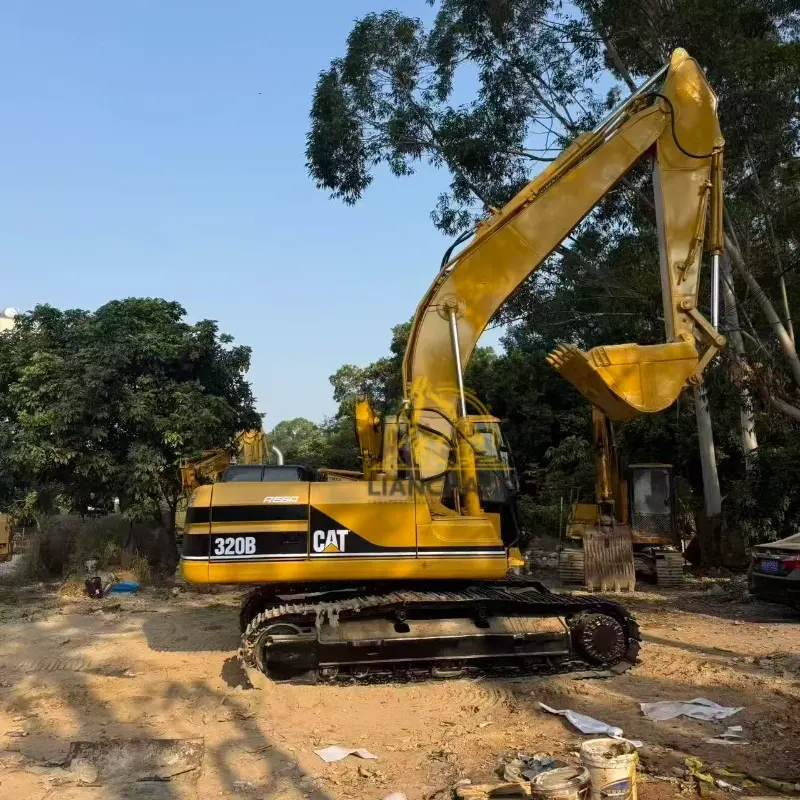
When it comes to heavy machinery, Caterpillar excavators are renowned for their reliability, durability, and performance. For contractors and construction companies aiming to manage costs while acquiring high-quality construction equipment, buying a used Caterpillar excavator can be a smart financial decision. In this article, we’ll explore the top five reasons why purchasing a used Caterpillar excavator is beneficial for your business.
1. Cost-Effectiveness
One of the most compelling reasons to buy a used Caterpillar excavator is the significant cost savings. New excavators can be incredibly expensive, often costing hundreds of thousands of dollars. In contrast, used models can offer the same level of performance at a fraction of the price. This cost-effectiveness allows businesses to allocate resources more efficiently, investing in other essential areas such as labor, materials, or fleet expansion.
Moreover, the depreciation rate of heavy machinery is steep in the first few years. By purchasing a used excavator, you avoid the sharpest part of that depreciation curve. This translates into better resale value when you decide to sell the machine later, allowing you to recover a larger portion of your investment compared to new models.
2. Proven Reliability
Caterpillar is recognized for producing machines that stand the test of time. Investing in a used Caterpillar excavator means opting for a brand with a strong reputation for reliability and performance. Many used models have been rigorously tested on various job sites and conditions, providing potential buyers with a clearer picture of their real-world performance.
Additionally, used equipment often comes with a detailed maintenance history, allowing buyers to assess how well the machine has been cared for. Knowing the maintenance background gives you peace of mind about the excavator’s condition and helps you make an informed purchase decision.
3. Wide Selection
The market for used Caterpillar excavators is vast, offering an extensive range of options across various models, sizes, and specifications. Whether you need a compact excavator for smaller projects or a large model for heavy-duty work, you’re likely to find a used Caterpillar excavator that meets your specific requirements.
This wide selection enables you to choose a machine that fits your operational needs and allows you to compare different models and configurations. With the availability of online marketplaces and local dealerships, browsing through options has never been easier, giving you the flexibility to find the perfect machine at the right price.
4. Lower Insurance and Financing Costs
Insurance and financing costs for used equipment are typically lower than those for new machinery. Since the value of a used excavator is less, your insurance premiums will likely reflect that reduced risk, leading to substantial savings over the life of the machine. These savings can significantly impact businesses that rely on multiple pieces of equipment.
Furthermore, financing options for used equipment can also be more accessible. Lenders often provide favorable terms for used machinery, making it easier for businesses to secure funding without overextending their budgets. This financial flexibility is particularly advantageous for small to medium-sized enterprises, allowing them to grow without incurring excessive debt.
5. Environmental Benefits
In a world increasingly focused on sustainability, buying a used Caterpillar excavator can be seen as an environmentally friendly choice. Manufacturing new machinery consumes valuable resources and energy, contributing to environmental degradation. By opting for a used model, you help reduce the demand for new equipment and minimize the carbon footprint associated with manufacturing processes.
Additionally, many used excavators are equipped with advanced technology designed to improve fuel efficiency and reduce emissions. This means that do you save money upfront, you also benefit from lower operating costs while contributing to a greener planet. As regulations become stricter regarding emissions, investing in a used excavator with efficient technology can help ensure compliance with environmental standards.
Conclusion
Purchasing a used Caterpillar excavator presents numerous advantages that can significantly benefit your construction business. From cost savings and proven reliability to a wide selection and lower insurance costs, the reasons to consider a used model are compelling. Additionally, the environmental benefits further enhance the appeal of this option.
When considering the purchase of a used excavator, it’s essential to conduct thorough research and inspections to ensure you’re getting a quality machine. Check the maintenance records, inspect the equipment physically, and consider working with reputable dealers who offer warranties or guarantees. By taking these steps, you can enjoy the many benefits of owning a used Caterpillar excavator while making a smart business decision that supports your company’s growth and sustainability efforts.
Ultimately, investing in a used Caterpillar excavator empowers your business to tackle more projects, improve your bottom line, and contribute positively to the environment.
FAQ
Q1: What are the benefits of buying a used Caterpillar excavator?
A1: Buying a used Caterpillar excavator offers cost savings, proven reliability, a wide selection of models, lower insurance costs, and is environmentally friendly.
Q2: How can I find a reputable dealer for used Caterpillar excavators?
A2: Look for dealers with good reviews and warranties, check their maintenance records, and ensure they offer post-purchase support.
Q3: What should I inspect when buying a used excavator?
A3: Inspect the physical condition, check engine performance, review maintenance history, and test all operational features.
Q4: How does buying used equipment contribute to sustainability?
A4: Opting for used equipment reduces the demand for new manufacturing, conserving resources and minimizing environmental impact.