Beginner’s Guide to Operating Used Caterpillar Excavators Like a Pro
Release time: 2025-12-02
Caterpillar (CAT) excavators are renowned for their durability and powerful performance, making them a top choice for construction, mining, and agriculture. But for beginners, especially when dealing with used equipment, operating a Caterpillar excavator can seem daunting. This beginner’s guide will walk you through the essential steps, tips, and best practices for operating used Caterpillar excavators safely and efficiently.

1. Familiarize Yourself with the Excavator’s Key Components
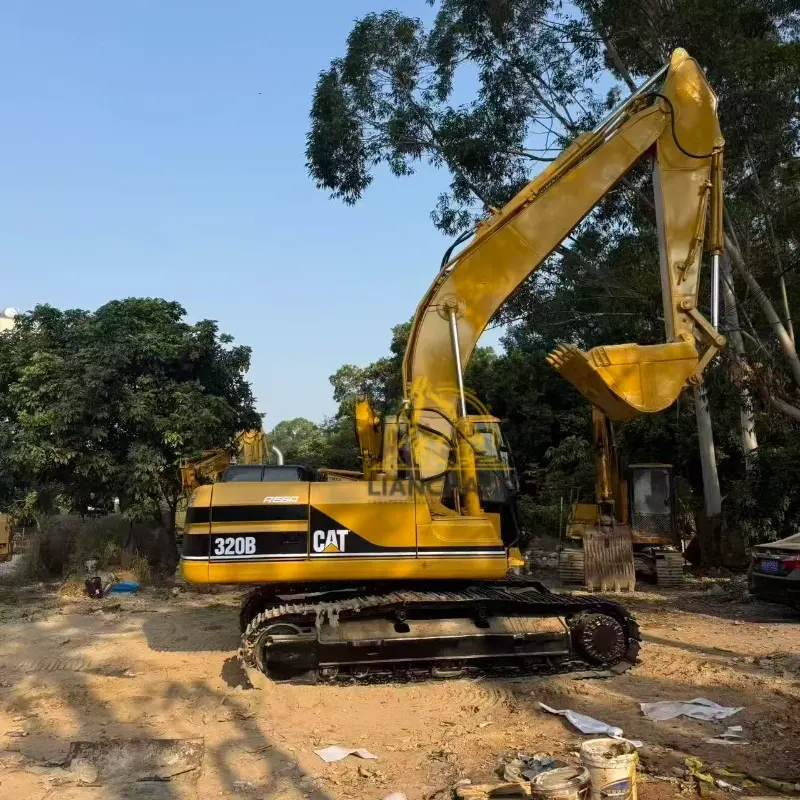
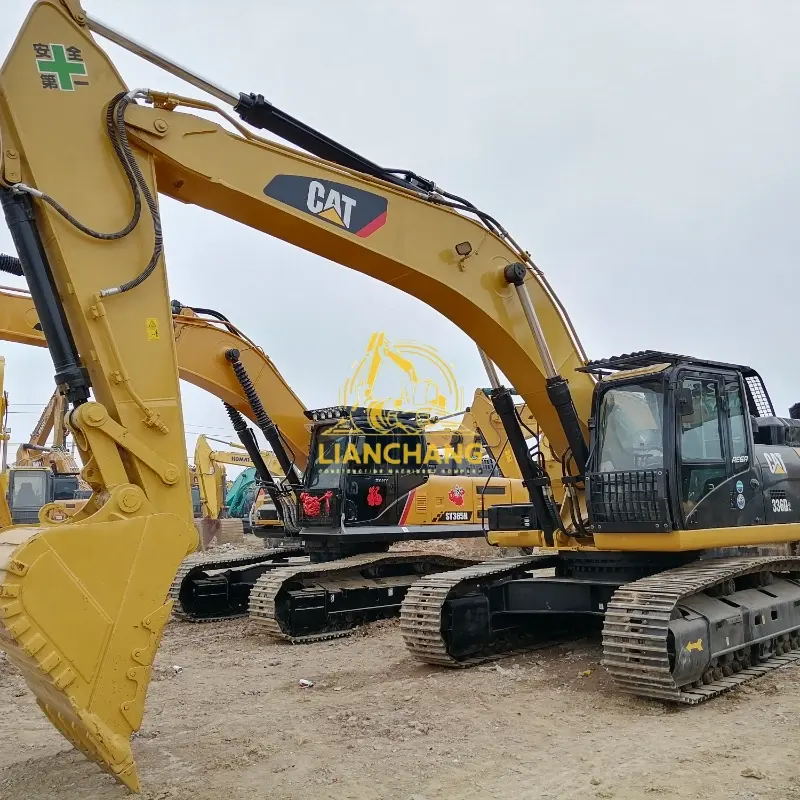
Before you operate any machine, understanding its parts is crucial. Caterpillar excavators, even used ones, have basic components that remain consistent across various models. Key components include:
- Cab: Where you control the excavator. Familiarize yourself with the seat, controls, and display panels.
- Boom, Arm, and Bucket: These are the critical tools for digging and lifting.
- Tracks: Caterpillar excavators use tracks instead of wheels for stability and traction.
- Engine & Hydraulic System: These systems power the machine’s movements, from digging to lifting.
Tip: Always inspect these components carefully when using a pre-owned excavator to avoid unexpected mechanical issues.
2. Safety First: Essential Precautions
When operating a heavy machine like a Caterpillar excavator, safety should always come first. Here are some safety tips to follow:
- Wear Proper PPE (Personal Protective Equipment): Hard hats, safety boots, gloves, and ear protection are essential.
- Pre-Use Inspection: Ensure the tracks, hydraulic lines, and engine are in good condition.
- Know the Worksite: Understand the layout, potential hazards, and terrain of the site.
- Seatbelt: Always fasten your seatbelt when operating the excavator to reduce the risk of injury.
3. Master the Excavator’s Controls
For beginners, the controls of a Caterpillar excavator may seem complex. However, they become intuitive with practice. Here’s a breakdown of the main controls:
- Joystick Controls: These are used for boom, arm, and bucket movements. One joystick controls the boom and arm, while the other operates the bucket and swing.
- Foot Pedals: These control the tracks for forward and reverse movement.
- Throttle and Engine Speed: Adjust the engine speed using either a hand throttle or foot pedal.
- Swing Control: Rotate the body of the excavator using this control to maneuver in tight spaces.
Tip: Practice operating the excavator in an open space before attempting more complex tasks.
4. Step-by-Step Guide to Operating the Excavator
Here’s a quick guide to help you start and operate the excavator:
Starting the Excavator:
- Sit in the Operator’s Seat: Adjust the seat for comfort and control.
- Check Fluid Levels: Verify that hydraulic fluid and engine oil are at the proper levels.
- Start the Engine: Turn the ignition key and allow the engine to idle for a few minutes.
- Inspect the Instrument Panel: Ensure all warning lights are off.
Operating the Excavator:
- Move the Tracks: Use the foot pedals for forward and reverse movements.
- Digging: Use the joystick controls to raise the boom, extend the arm, and lower the bucket. Practice smooth and controlled movements.
- Trenching: Keep the bucket parallel to the ground to dig accurate trenches.
- Lifting: Position the bucket under the load, and lift it gently with the boom and arm controls.
- Swinging: Rotate the body using the swing control to adjust your position.
5. Mastering Attachments for Increased Productivity
Caterpillar excavators come with various attachments to enhance functionality. Some common attachments include:
- Hydraulic Hammer: Used for breaking up concrete or rock. It requires precise control.
- Grapple: Ideal for lifting large debris. Ensure you adjust hydraulic pressure accordingly.
- Auger: Used for drilling holes. Maintain a steady speed for clean, precise holes.
Tip: Regularly check the attachments for wear and secure them properly to avoid accidents.
6. Maintenance Tips for Used Caterpillar Excavators
Operating a used Caterpillar excavator requires consistent maintenance to keep the machine running efficiently. Here are some tips for maintaining your equipment:
- Regular Oil Changes: Follow the recommended intervals for oil changes to keep the engine in top condition.
- Hydraulic System Checks: Inspect hoses and fluid levels frequently to avoid leaks and ensure the system functions properly.
- Track Cleaning: Clean tracks after each use to prevent dirt and mud buildup, which can cause unnecessary wear.
- Filter Maintenance: Regularly replace air and fuel filters to maintain engine efficiency.
- Cab Cleanliness: A clean cab improves visibility and ensures a safe work environment.
Tip: Keep a maintenance log to track all inspections, oil changes, and repairs.
7. Key Takeaways for Operating Used Caterpillar Excavators
Operating a used Caterpillar excavator doesn’t need to be intimidating. By taking the time to understand the machine’s components, learning the controls, following safety practices, and maintaining the equipment properly, you can become a confident and efficient operator.
Remember:
- Start slow and practice in a safe area to get comfortable with the controls.
- Prioritize safety by always wearing PPE and inspecting the machine.
- Maintain your excavator to ensure it operates efficiently and lasts longer.
With practice and patience, you’ll be operating your used Caterpillar excavator like a seasoned professional in no time!